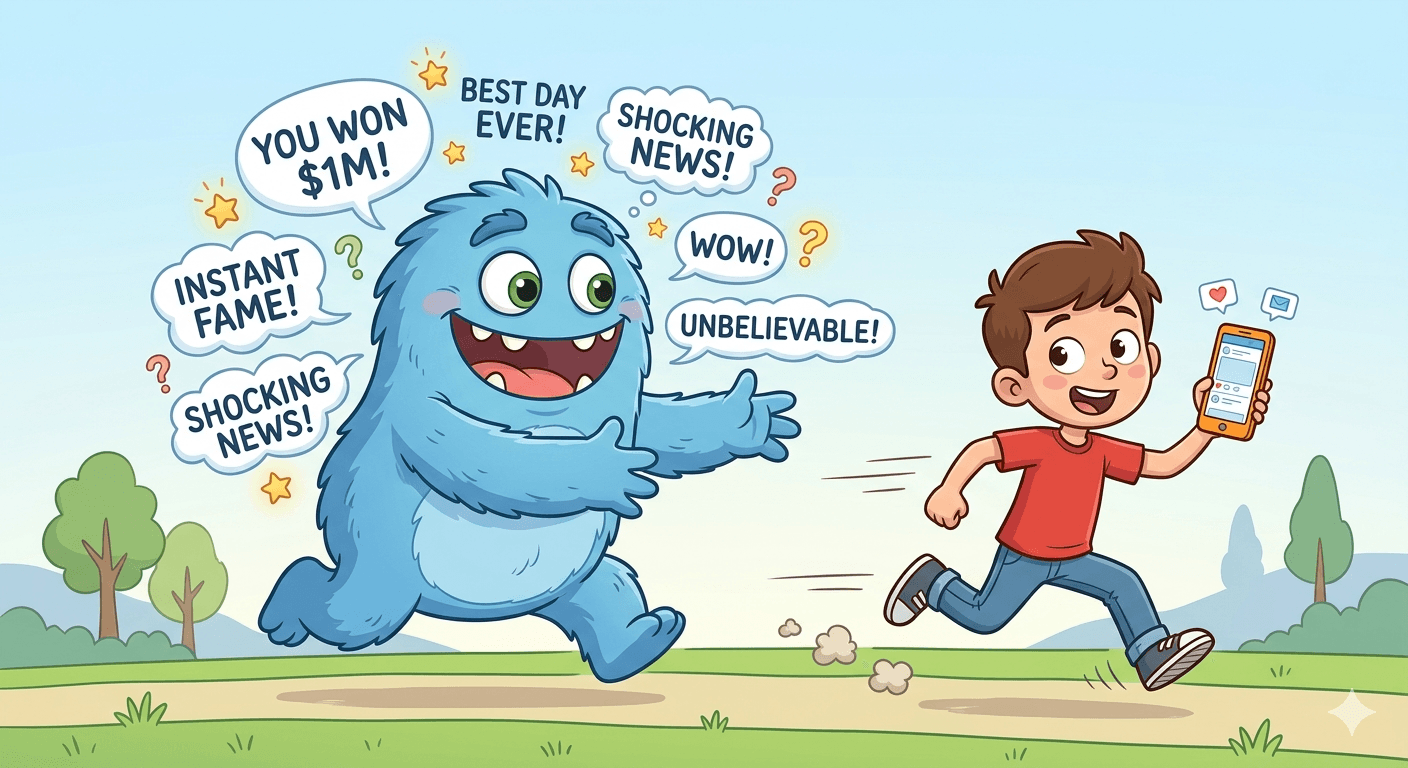
If AI can finish your homework, what are you actually learning?
A new AI tool can log into Canvas and do a student's homework end to end. What that means for what students are actually learning.
A 22-year-old entrepreneur just broke the internet in higher education circles. His tool, Einstein, made headlines in February 2026 for doing something that would have seemed like science fiction just a few years ago. It logs into Canvas, watches lectures, reads essays, writes papers, participates in discussions, and submits homework, automatically, on a student's behalf.
The outcry was immediate. Faculty were outraged. Educators debated. Over 124,000 people visited the website in three days.
But here's the thing: the creator, Advait Paliwal, says the outrage was the whole point.
The real problem isn't the tool. It's what it reveals.
Paliwal dropped out of his computer science master's program because he saw something that bothered him. Education, he argued, has become credentialism, and the current version of learning needs to change.
He's not entirely wrong.
Educators who weighed in on Einstein pointed out that the courses most at risk of being completed by an AI agent are the "transactional" ones, the content-based courses that rely on quizzes, asynchronous discussions, and term papers to assess understanding. If a student can hand off an entire course to a bot and walk away with a credential, what was the course actually testing?
This is the question that every student, parent, and educator needs to sit with right now.
Credentials without competence is a dangerous combination
Here's what concerns us most. Educators warned that students who use agentic AI tools to fraudulently complete courses could undermine the perceived value of online credentials for everyone, even those doing their own work. Credits become suspect and may not hold up in the job market.
In other words, the shortcut doesn't just hurt the student taking it. It chips away at the entire system of trust that makes education valuable.
And this isn't a distant, theoretical problem. Agentic AI is here now. Experts believe it is only a matter of time before tools like Einstein gain access to other learning management systems beyond Canvas.
The students who will actually win
There is a version of this story that ends badly for a lot of young people: they coast through coursework using AI, collect a credential, and enter a workforce that quickly figures out they can't actually do the thing they said they could do.
And there is another version, one where students treat this moment as a massive wake-up call.
One educator put it plainly: "We have to move quickly, because AI isn't going to wait for us."
She's right. But moving quickly doesn't mean outsourcing your learning to a machine. It means getting ahead of the machine by developing the skills it can't replicate: judgment, creativity, the ability to evaluate AI outputs critically, and the experience of actually building something yourself.
That gap, between knowing how to use AI and knowing how to think with it, is where the real opportunity is. And it is widening every day.
What this means if you are still in school
If you are in high school right now, you have a window that most people in the workforce don't have. You can choose, deliberately, to learn the hard way, the way that actually sticks.
Not because you have to. Because you understand that the shortcut is a trap.
At Flintolabs, we have been saying this since the beginning. The students who will thrive in an AI-powered world are not the ones who figured out how to get AI to do their work. They are the ones who learned how to do things with AI, how to build, problem-solve, and create outputs that reflect actual human judgment and skill.
Our students don't outsource their learning. They write code. They build apps. They debug, iterate, and figure out why something isn't working. They come out on the other side with something real to show for it, a portfolio, a skill set, and the confidence that comes from having genuinely done hard things.
That is what no AI agent can give you.
The bottom line
Einstein exposed a real crack in how education is structured. That conversation needed to happen. But the answer isn't panic or more detection tools. The answer is a generation of students who are too busy actually building things to want to hand their learning off to a bot.
Be that student.
Reference:
Kathryn Palmer, "Agentic AI Can Complete Whole Courses for Students. Now What?" Inside Higher Ed, February 26, 2026.
Comments (0)
No comments yet. Be the first to share your thoughts!