The internship squeeze is here, this is your wake-up call
Handshake tracked 109 applications per internship posting in 2025, nearly double the year before. What that means for students right now.
The current graduating class is entering one of the worst entry-level job markets in years. But the headline numbers are not even the most alarming part of the story.
The real shock is what is happening to internships.
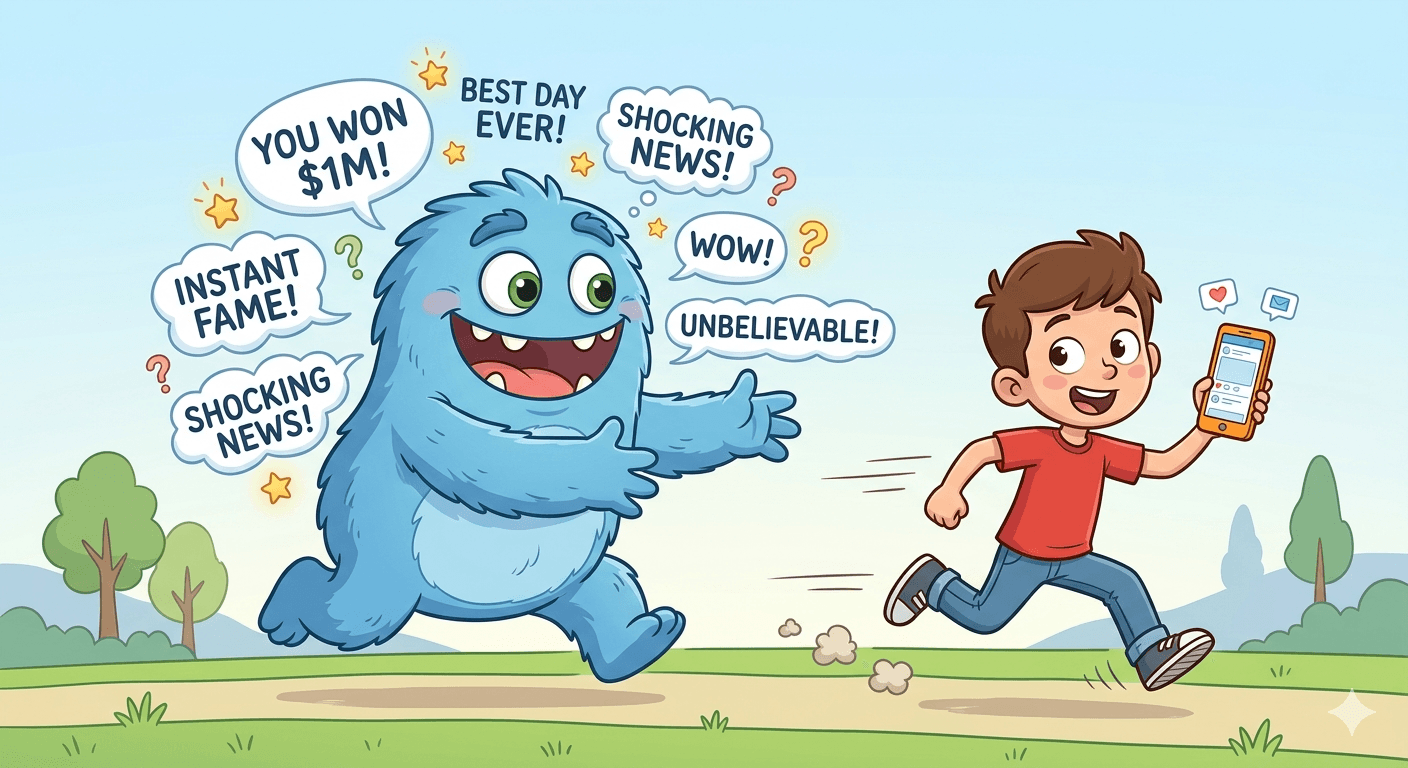
According to a CNN report from April 2026, Handshake tracked an average of 109 applications per internship posting in 2025, nearly double the number from the year before. In tech, that number climbed to 273 applications per internship. Finance was not far behind at 192. The pipeline that college students were told would be their on-ramp to a career is now one of the most competitive arenas in the entire job market.
And those students started preparing for this moment in college. The question for high schoolers is: when do you start?
The data
The Kelly Services workforce report published in April 2026 paints a stark picture. The unemployment rate for recent college graduates aged 22 to 27 reached 5.6% at the end of last year, well above the overall national rate of 4.2%. Nearly 42% of recent college graduates are underemployed, meaning they are working in jobs that do not require a degree. More than half of all U.S. college graduates are now working in roles that do not require their degree at all.
To put it plainly: a degree is no longer a guarantee. It is not even a strong predictor.
Meanwhile, according to the World Economic Forum, AI skills now command a 23% wage premium over a bachelor's degree alone. The college wage premium, by contrast, has barely moved since 2000. The value gap between what you studied and what you can do is growing wider every year.
Your portfolio is the new diploma
Here is what is actually separating the candidates who get the call from the ones who never hear back: proof.
Not a GPA. Not a list of clubs. A project. A portfolio. Something they built.
This is not a trend or a theory. It is showing up in hiring data right now. The Future of Jobs 2025 Report found that employers are increasingly prioritizing practical experience, digital portfolios, and demonstrable skills over credentials. Skills-based hiring is overtaking degree-based recruitment, and the shift is accelerating.
The students landing the competitive internships are not necessarily the ones with the highest test scores. They are the ones who walked into the interview with something to show. A working app. A product they designed and launched. Evidence that they can take an idea from concept to execution.
That is table stakes now!
Why this matters for high schoolers
Here is the uncomfortable truth that most college prep conversations skip over: by the time a student is applying for internships in their sophomore or junior year of college, it is almost too late to start building from scratch.
The students who win those highly competitive spots already have a foundation. They have been building things. They have been iterating, failing, and learning from real projects. They have something to put in a portfolio. That foundation does not get built in a semester. It gets built over time.
Starting in high school is not getting ahead of the curve. It is keeping up.
The market is not waiting for students to feel ready. And it is certainly not getting less competitive. A Dallas Fed paper from early 2026 found that AI is already reducing entry-level hiring in certain fields while raising wages for experienced workers in those same fields. The students who develop applied AI skills now are the ones positioned to be on the right side of that shift.
What "building with AI" actually looks like
There is an important distinction worth naming here. Learning about AI and building with AI are two very different things.
Reading about how large language models work will not land you an internship. Neither will watching tutorials or completing a certification course that never requires you to ship anything real. What employers and internship programs respond to is evidence of applied thinking: can this person take a tool and make something with it?
The EY Gen Z Report from 2024 found that while Gen Z embraces AI, many students overestimate their actual competence with it. They know how to generate content. They struggle to evaluate its accuracy, recognize its limitations, or apply it critically to solve a real problem. That gap, between using AI and building with AI, is exactly where the opportunity sits for students who are willing to go deeper.
At Flintolabs, this is the gap we build programs around. Our students learn AI concepts, build apps, work through real projects, hit real problems, and figure out how to iterate toward something that works. By the end of a program, they have something to show, not just something to say.
The bottom line for parents and students
The conversation around college prep has not caught up to the reality of the market. Families are optimizing for SAT scores and AP classes while the hiring environment has shifted in a direction that rewards a completely different set of signals.
This is not about abandoning academic preparation. It is about adding a layer that most students are not getting anywhere else: hands-on experience building real things with real tools, early enough to matter.
The students who will compete effectively for the internships of 2028 and 2030 are the ones building portfolios today. Not waiting until freshman orientation. Today!
That is the window high schoolers have right now. And it is worth taking seriously.
References
- Kelly Services. "New Batch of College Graduates Faces an Increasingly Shaky Job Market." Kelly Services Impact Insights, April 22, 2026, kellyservices.com/impact-insights/new-batch-of-college-graduates-faces-an-increasingly-shaky-job-market.
- CNN. "The Job Market Is So Tough, Young People Are Struggling Just to Land Internships." CNN Business, April 6, 2026, cnn.com/2026/04/06/business/job-market-internships-squeeze.
- Fortune. "College Grads in 'AI-Proof' Careers Like Psychology and Education Are Seeing Negative Returns on Their Degrees." Fortune, April 4, 2026, fortune.com/2026/04/04/graduate-school-value-negative-returns-psychology-education-ai.
- Merit America. "2025 Future of Jobs Report: 5 Takeaways on the Skills Needed for the Future of Work." meritamerica.org/blog/2025-future-of-jobs-report-takeaways.
- EY. "Gen Z Report: December 2024." EY.com.
Comments (0)
No comments yet. Be the first to share your thoughts!