100 percent human: What this year's graduates are telling us about AI
When photography was invented, painters feared for their craft. What that 1838 panic can teach us about this year's graduates and AI.
In 1838, the camera was invented, and a famous French painter took one look at an early photograph and declared that painting was dead. His logic seemed airtight at the time. Why would anyone pay an artist to slowly and carefully recreate a scene when a machine could capture it faster, cheaper, and more accurately?
We know how that story turned out. Painting did not die. Photography pushed artists to do the one thing a camera could not - capture emotion, light, and feeling instead of just detail. Impressionism was born. Then came Post-Impressionism, Cubism, Surrealism, and movements artists are still inventing today.
Microsoft Vice Chair and President Brad Smith opened a recent essay with that exact story, and he used it to make a point about a very different machine: artificial intelligence. (Smith, Microsoft) The fear is familiar. The lesson, he argues, is too.
The students have a message
Here is what makes this moment different. The people pushing back on AI are not the older generation struggling to adapt. They are the youngest workers, the digital natives, the ones who adopt new technology faster than anyone else.
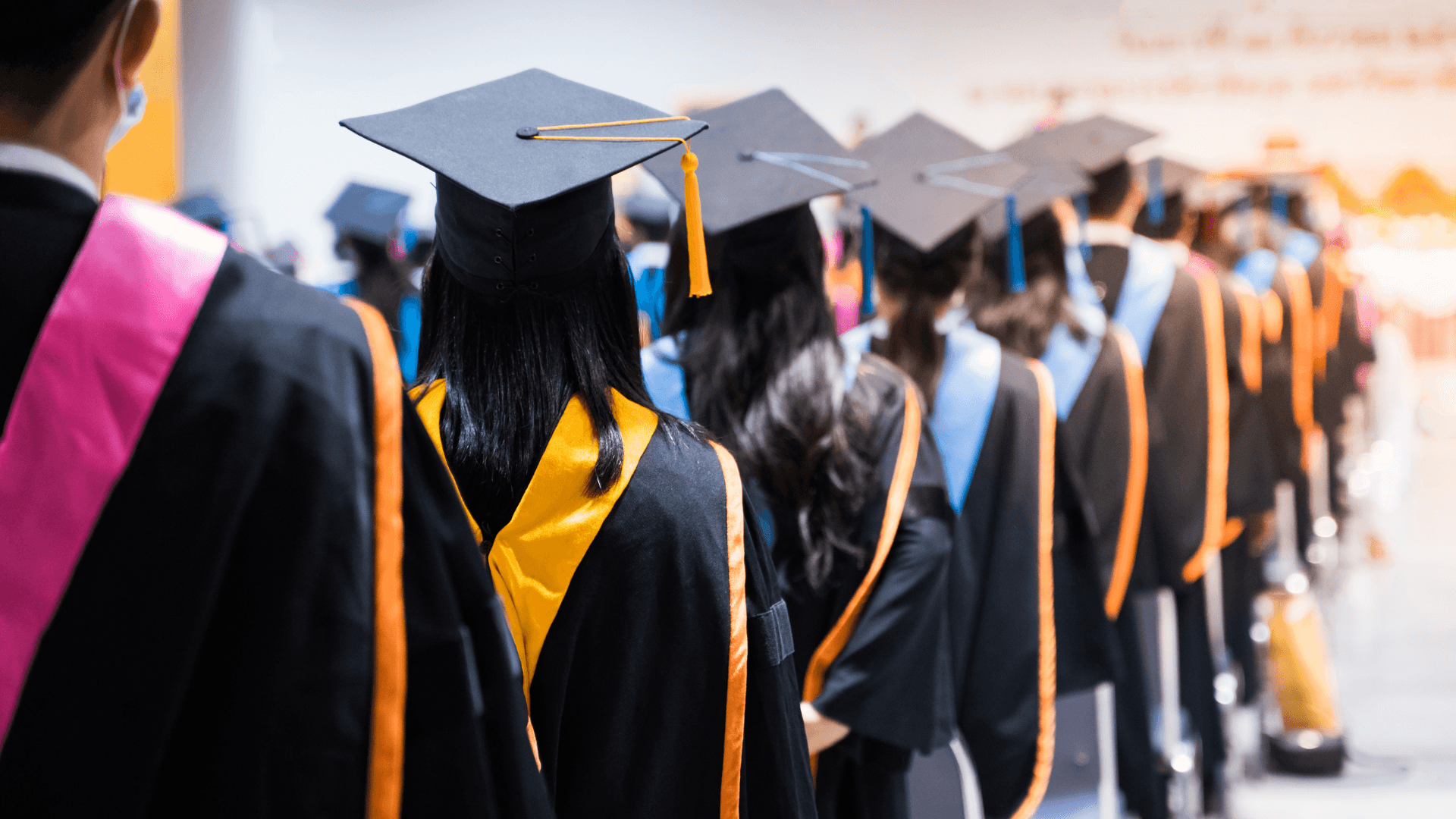
This spring, something unusual happened at graduation ceremonies across the country. When commencement speakers brought up AI, some graduates booed.
Smith does not read this as a tantrum. He reads it as a signal worth taking seriously, because the people complaining are often the same people using the technology the most. At Princeton, graduating seniors rejected a class jacket design because it had been made with the help of AI. In its place, they wore jackets labeled "100 percent cotton" and "100 percent human." (Smith, Microsoft)
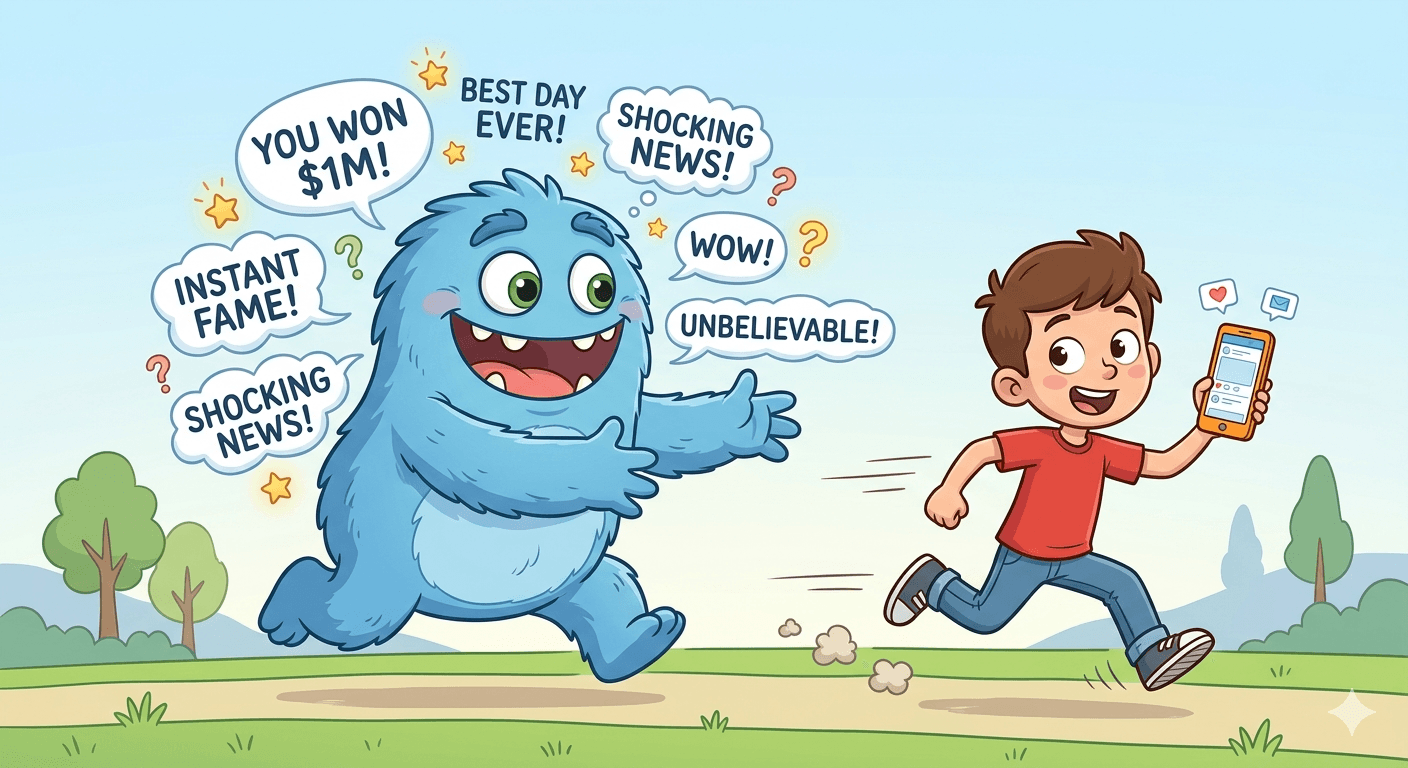
The message underneath the boos is not "we hate AI." It is something more thoughtful. Students recognize what AI can do. They just want humans deciding the role of machines, not machines deciding the role of humans. As Smith puts it, machines don't buy products. People do.
Two mistakes worth avoiding
Smith has spent nearly forty years inside the tech industry, and he says he has watched brilliant people repeat two mistakes over and over.
First, they overestimate how quickly new technology will change everything. Second, and more importantly, they underestimate what people are capable of.
The data backs up the patience. According to Microsoft's own research, only about 17.8 percent of the world's working-age population currently uses generative AI, and even in the United States the number sits around 31.3 percent. (Smith, Microsoft) AI is spreading, but real transformation across an economy takes time, because it depends on how fast people, schools, and organizations can actually change.
His advice borrows from legendary UCLA basketball coach John Wooden, who told his players to "be quick, but don't hurry." In other words, move with purpose and preparation, but don't panic.
So what should students actually do?
This is the question Smith says he hears most from students and parents. What should you study to prepare for a world being reshaped by AI?
His answer is refreshingly old fashioned. Pursue your passion. Develop real expertise in a field that fascinates you, and work hard to master it. Then, on top of that expertise, develop AI fluency so you can apply what you know better than was ever possible before.
He points to two ideas from a new book by LinkedIn leaders Ryan Roslansky and Aneesh Raman, Open to Work, that are especially useful for students thinking about the future:
Think of a job as a bundle of tasks, not a title. Sort your tasks into three buckets - the ones AI can do, the ones you can do with AI, and the ones only a human can do. For most people, most tasks fall into that middle bucket. That is where the opportunity lives.
Lean into the skills that are uniquely human. Roslansky and Raman highlight five, and they all start with the letter C: curiosity, creativity, compassion, communication, and courage. Even when AI handles the routine work, someone has to oversee it, question it, and decide what to do with it. Human judgment doesn't go away. It becomes the differentiator.
Where Flintolabs comes in
You don't prepare for an AI economy by consuming more lectures. You prepare by building real things, which is exactly the judgment AI cannot hand you. The students who booed at graduation were asking for agency, and agency is precisely what building gives you that watching never will.
So in our labs, students don't watch someone else build. They build. They pick a problem they care about, use AI as a partner to design and debug and improve it, and walk away with something real - an app, a portfolio, proof that they can think with AI rather than just lean on it.
The five C's Smith names are not abstract to us. Curiosity is the spark behind every project a student picks. Creativity is what turns a vague idea into a working app. Courage is what it takes to ship something imperfect, learn from it, and try again. We design for those skills on purpose, because they are the ones AI cannot replace.
The bottom line
The graduates wearing "100 percent human" jackets are sending the tech world a message, and it is a hopeful one. Technology will keep changing. Human ambition, creativity, and the desire to do meaningful work will not.
The students who thrive in the age of AI will not be the ones who fear it or the ones who blindly trust it. They will be the ones who learned early how to stay firmly human while building boldly with the most powerful tool of their generation.
That is the future we are preparing students for, one project at a time.
References
Smith, Brad. "AI, Jobs, and the Next Generation." Microsoft On the Issues, 10 June 2026, blogs.microsoft.com/on-the-issues/2026/06/10/ai-jobs-and-the-next-generation/.
Roslansky, Ryan, and Aneesh Raman. Open to Work: How to Get Ahead in the Age of AI. LinkedIn.
Comments (0)
No comments yet. Be the first to share your thoughts!